
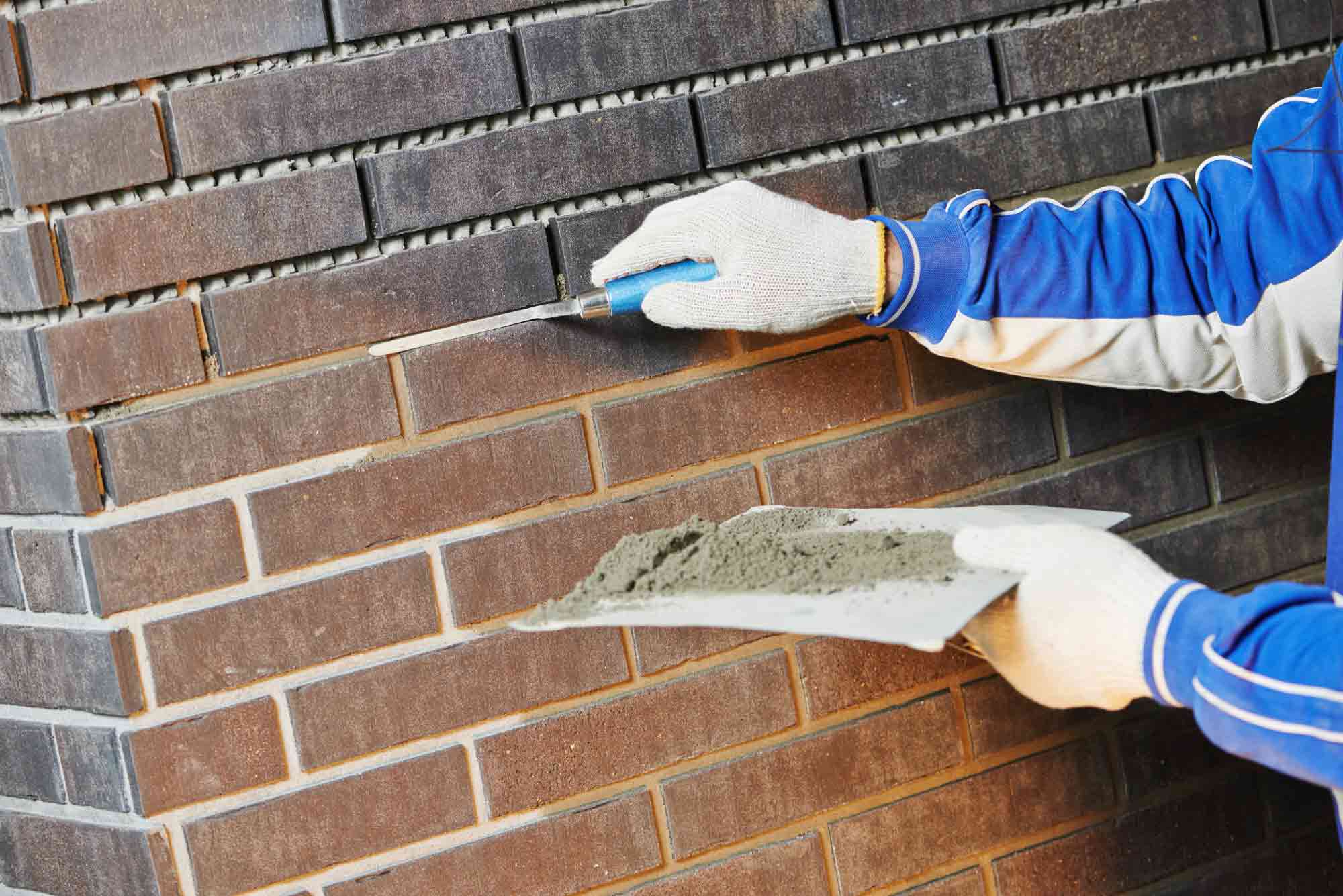

During recent years, the interest in home improvement has skyrocketed. Over fifty percent of Americans feel like their houses could use some work, but many of them do not know how to even get started with building a brick wall.
Whether you’re building a decorative garden wall or looking to learn the fundamentals of masonry, the process demands careful attention to detail. In this article, we will explain the exact steps for laying a solid foundation, mixing mortar, and laying bricks perfectly level. By the end, you should understand how to build a wall without the stress of needing to hire anyone else.

What You Need to Know Before Building a Brick Wall
Selecting the Right Bricks (SW, MW, NW)
Not all bricks are created equal. You must select your bricks based on the environment they will be exposed to:
- Severe Weathering (SW): These bricks can withstand direct contact with the ground and moisture. Use these for foundations, patios, and garden walls.
- Medium Weathering (MW): Designed to withstand freezing temperatures and above-ground exterior work, but not direct ground contact.
- No Weathering (NW): These are for interior work only.
Keep in mind that a standard modular brick has dimensions of 3 5/8″ wide, 2 1/4″ tall, and 7 5/8″ long. When planning your wall, you must always add a 1/2″ allowance for the mortar joint to calculate the true “nominal” size of the structure.
Permits and Structural Considerations
If you are planning to build a load-bearing or retaining wall, you must submit your plans to your county or city. Also, inquire with your local municipality if any permitting is required or if an engineer needs to stamp your plans.
Essential Tools and Materials for Brick Laying
To ensure your wall is safe, level, and professional-looking, you need to gather the correct materials:
- Tools: Trowel, spirit level, club hammer, bolster (chisel), builder’s string line, tape measure, and a brick jointer.
- Materials: Your chosen bricks, premixed mortar (or cement and sand to mix your own), and concrete for the foundation.
How to Build a Brick Wall Foundation
A solid foundation is the key to any brick wall’s stability. A shallow or weak footer will cause the wall to sag, crack, or collapse over time.
1. Digging the Trench and Pouring Concrete
- Dig a trench that is at least 12 inches deep and 12 inches wide. If the soil is heavy clay, you will need to add rebar to the footing to hold it all together.
- Drive wooden stakes into the ground along the perimeter to help you gauge the correct height.
- Fill the trench with poured concrete up to the top of the stakes, use a trowel to make it smooth, and let it cure for at least 2 to 3 days before building on it.
2. Setting Up Guideposts (Gauging Rods) and a String Line
Once the foundation is set, you need to set up “gauging rods” at both ends of your planned wall. Mark the height of each desired brick course on these rods. Stretch a builder’s string line tight between the pegs just above the level of the first course. This acts as an infallible guide to keep your wall perfectly straight.
How to Lay Brick: Step-by-Step Instructions
1. Do a Dry Run First
Lay the first row of bricks on the concrete footer without mortar. Use your tape measure to ensure they are the correct distance apart (accounting for the 1/2″ mortar joints) and confirm the layout fits the trench snugly.
2. Mix the Mortar Properly
Using a mortar mixer, blend your mortar to the correct consistency. The standard ratio for general bricklaying is 1 part cement to 5 parts sand. Mix this with water until it reaches a smooth, creamy, and workable texture., mix together the amount of mortar you think you will need. Five parts sand to one part cement should do. Mix this with water until the mixture has a smooth, creamy texture that you can still manipulate.
3. Lay the Mortar Bed and the First Course
- Spread a thick “bed” of mortar onto the concrete base. Use your trowel to create a “V” shape along the mortar to help it spread evenly.
- Press your first brick into the mortar. Tap it gently with the handle of your trowel until it aligns with your string line.
- Use your spirit level to check that the brick is perfectly even with the ground.
4. Buttering the Bricks and Staggering Joints
Before placing subsequent bricks, you must “butter” the end. Apply a nice, even pat of mortar to the short end (the “header”) of the brick to form a vertical joint. Push it tightly against the previous brick and scrape away any excess mortar that squeezes out.
5. Cutting Bricks for the Next Rows
For added strength and stability, bricks must be staggered in an alternating bond so each brick sits over the joint of the two bricks below it. To do this, you will need to start every other new row with half a brick. Use a bolster and a firm tap from a club hammer to break the brick cleanly in half.
Continue laying row after row, moving your string line up to the next marker on your gauging rods each time. Build the ends of the wall up a course higher than the middle section (creating a staircase effect on the ends) to help you stay perfectly level.

Finishing and Topping the Wall
Tooling the Joints
After a few hours, when the mortar begins to firm up but before it fully hardens, you need to finish the joints. Run a brick jointer tool across the seams to compress the mortar, creating a neat, professional, and weather-resistant finish.
Adding Pillars, Soldier Courses, and Tiling
Depending on your design, you can finish the top of the wall creatively:
- Soldier Course: This involves turning the top row of bricks vertically to add a unique visual touch and highlight the edge of the structure.
- Pillars: Without pillars to provide stability, a long brick wall cannot hold itself up unless you build it in a crinkle crankle wall style. Pillars are built as small, wide squares intertwined with the main wall.
- Tiling: You can also cap or face your wall using slate or ceramic tiles for a highly customized aesthetic.
Frequently Asked Questions (FAQs)
Can you lay bricks directly on soil?
No, you cannot lay bricks directly on soil. A brick wall requires a solid, poured concrete footing in a trench. Laying bricks on soil will cause the wall to sink, crack, and eventually collapse due to ground movement and moisture.
What is the proper mortar mix for a brick wall?
The general ratio for standard bricklaying is 1 part cement to 5 parts sand. If you are building a load-bearing structure and need a sturdier mix, you can use 1 part cement to 4 parts sand.
Now you should have a firm understanding of how to build a brick wall that is safe, sturdy, and beautiful. If you want to talk to us about the professional tools we offer to make your masonry projects easier, you need only ask.
Contact us today and get started on the project of your dreams!
Thank you for sharing this informative article about brick work. I hope there are a lot of contractors who could read this and be guided accordingly.
https://www.masonrylosangeles.com/